THE COP26 AGENDA
Natural Fur; delivering on THE COP26 agenda
We need to reach net zero by the middle of the century: we recognise that this requires ambitious emissions reductions targets now — because the climate is changing now. It is the greatest risk
facing all of us; just as individual countries can and will contribute to the solution, individual sectors and industries must play their part.
Discover More >
Animal Welfare
The Fur Truth
Click here for a dedicated briefing on the consequences of a UK fur ban and the top 10 sector myths.
Discover More >
Sustainability
Part of the natural, 'slow' solution to ‘fast’ fashion
Natural fur is inextricably linked to the environment: it is a sustainable material which represents heritage, quality, and individuality. Environmental stewardship is one of the foundations of the contemporary fur trade and fur is part of the solution to the ‘fast' fashion problem.
Discover More >
Fashion
An inclusive, accessible, and popular natural material
The public back natural, sustainable textiles; the public back fur.
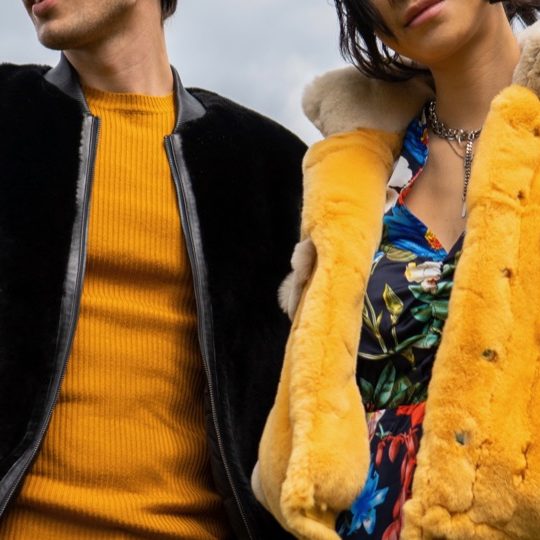
Sales have increased in the UK in recent years; as an inclusive, accessible material, fur features on the high street, in everyday clothing, and at an affordable price point.
Discover More >
Slow Fashion and Natural Products
The concept of sustainable, slow fashion materialises with natural fur.
 Loading...


